The Hunger Gap
Our Food Supply
5/10/20263 min read
None of us can truly understand what hunger means, so when I use the term 'hunger gap' I use it with caution. Here in Western Europe the term refers to the period in spring when there are few locally produced fresh vegetables or fruit available. For farmers, the hunger gap occurs between March and May when stored crops are diminishing, and yet there is nothing fresh to replace them. Here at Domaine des Rochers the potatoes that we stored over the winter have long gone, as have the onions. The leeks, we picked as needed, but they have all finished too. Last year's summer crop of tomatoes was bountiful, and so, thanks to our freezer, we have been enjoying them all winter long . Some I turned into passata, which freezes well, and when I became overwhelmed, I resorted to freezing them whole in giant bags. All winter long, we have enjoyed tomatoes in soups and casseroles, but now, alas, I only have one small container of passata left. I am reserving this for a special fish stew. Of course we will never go hungry, for the supermarkets are crammed with imported fruit and vegetables all year round. Nonetheless, we are aware of the season's rhythms and look forward to enjoying our own fresh produce again. Every day I watch B. working away at the raised beds in his potager, and look forward to the harvest.
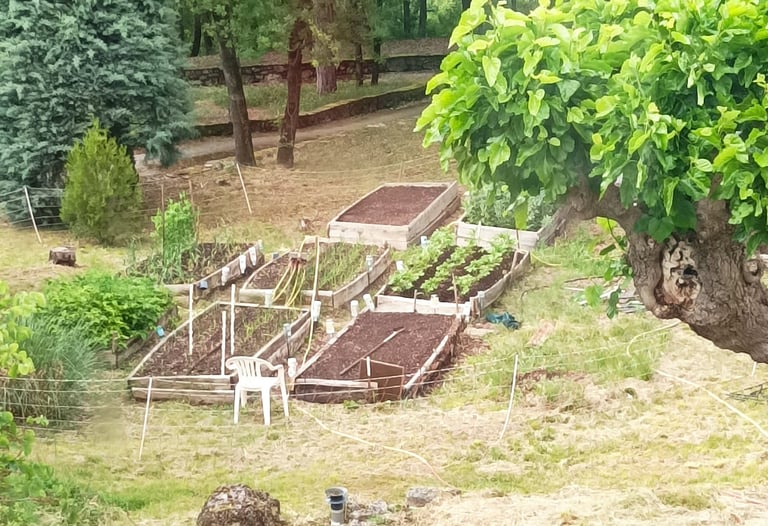
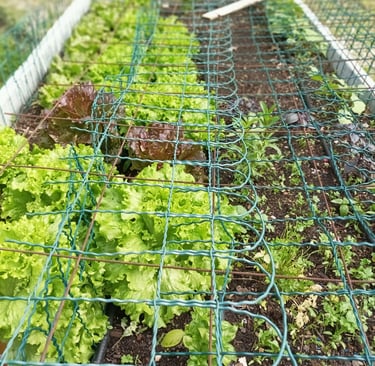
Close to the house we have a special raised bed where herbs are planted , and lettuce. At last they are ready to pick, and salads are the order of the day.
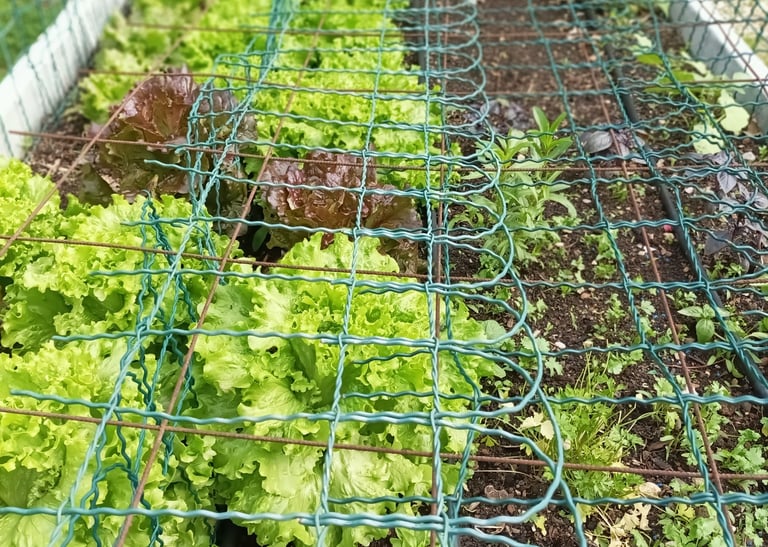
But what about tomatoes to go in our salads? Look. The tomato bed is completely empty! ...
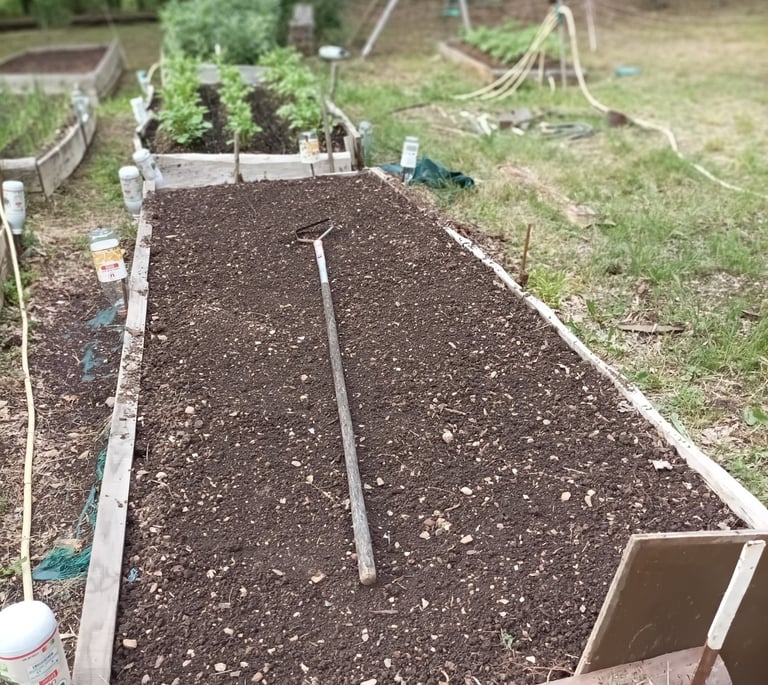
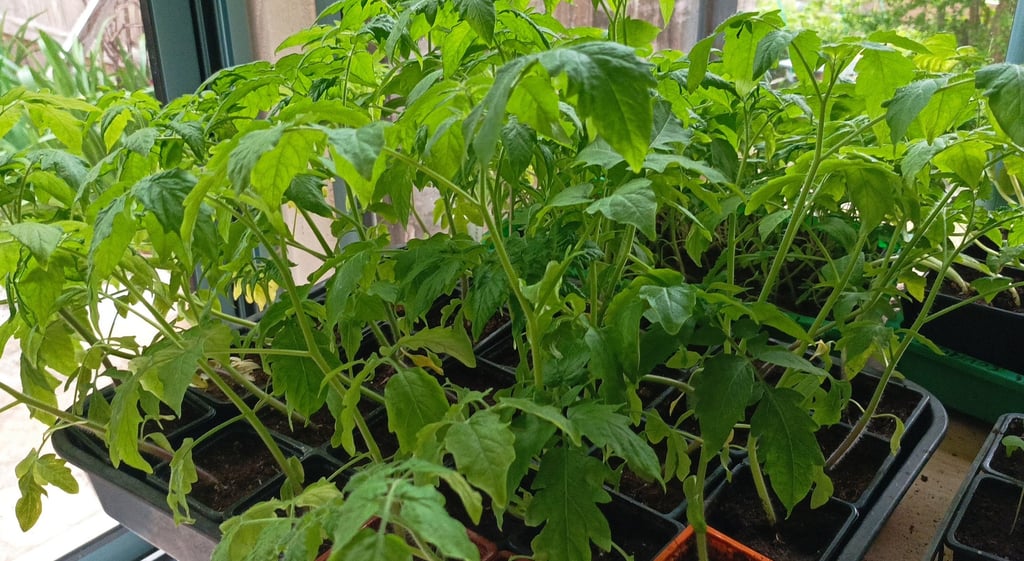
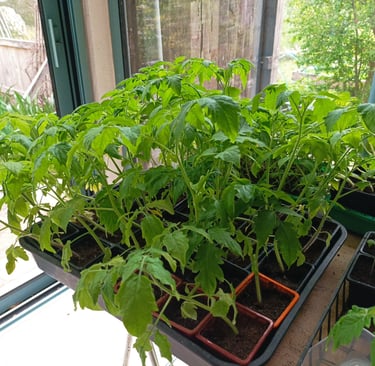
Not to worry... B. planted his tomato seeds in mid-February. Here they are now, waiting to be planted out in the coming week. We normally count on harvesting them towards the end of July. I can't wait.
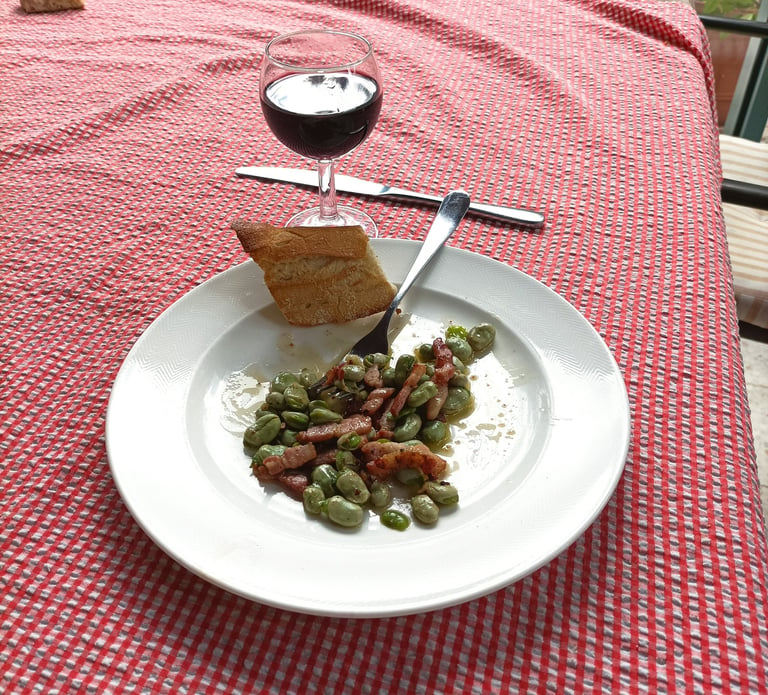
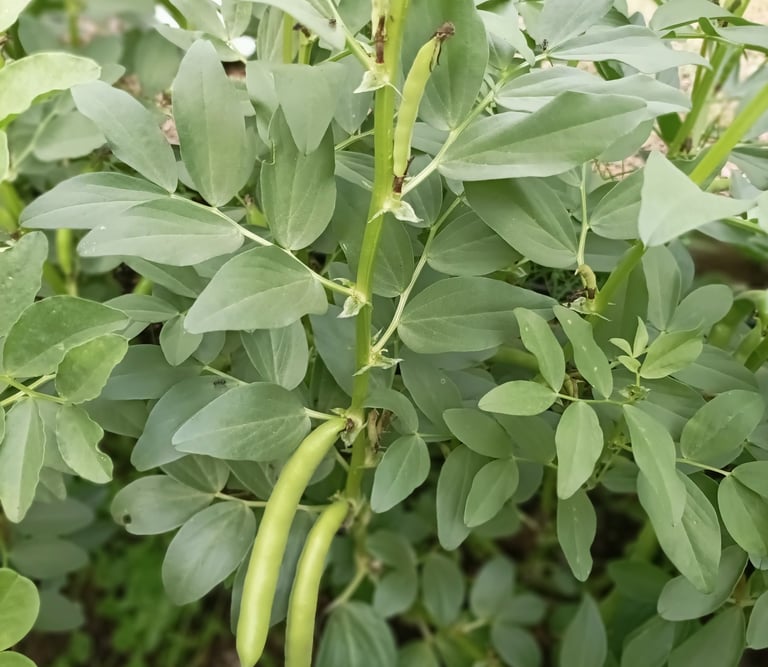
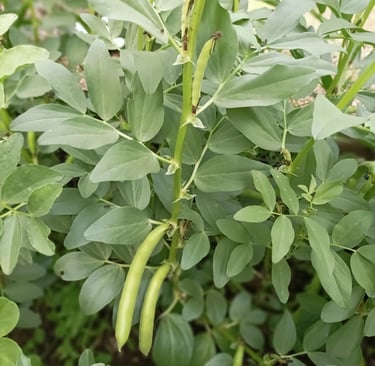
But while I wait impatiently for our tomatoes, the harvest of other fresh produce has begun. Planted in early December, our broad beans are now becoming ready. Best picked young and small, I love to cook them up Spanish style, with bacon bits, and swimming in garlicky olive oil.
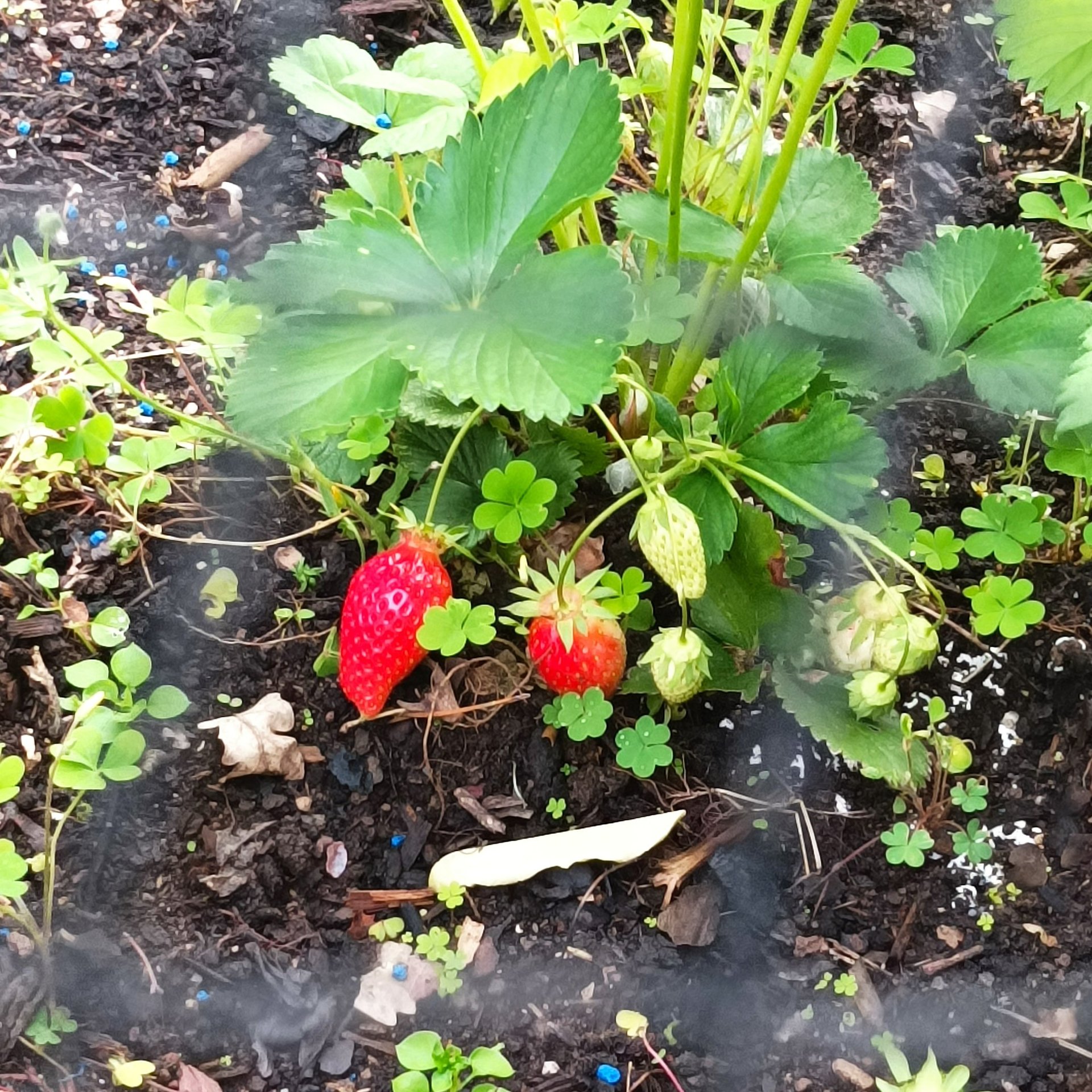
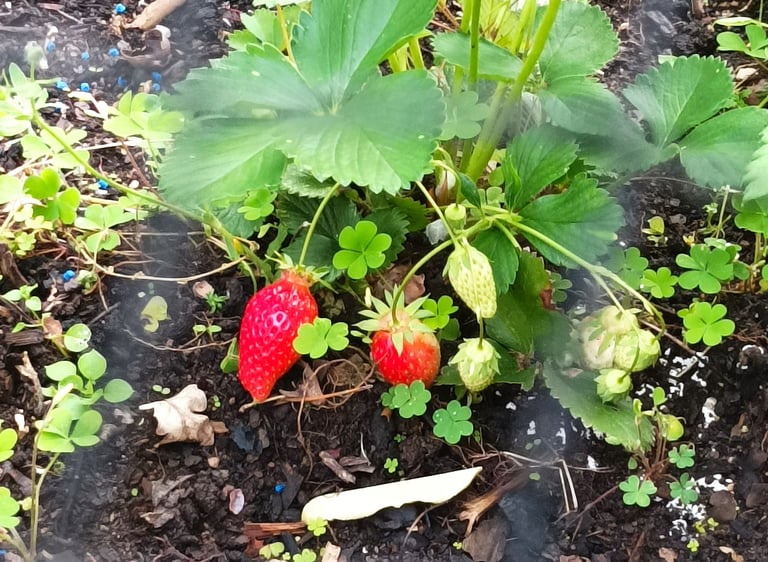
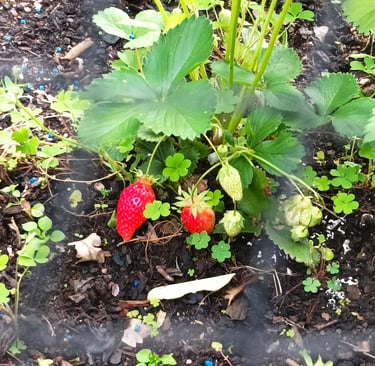
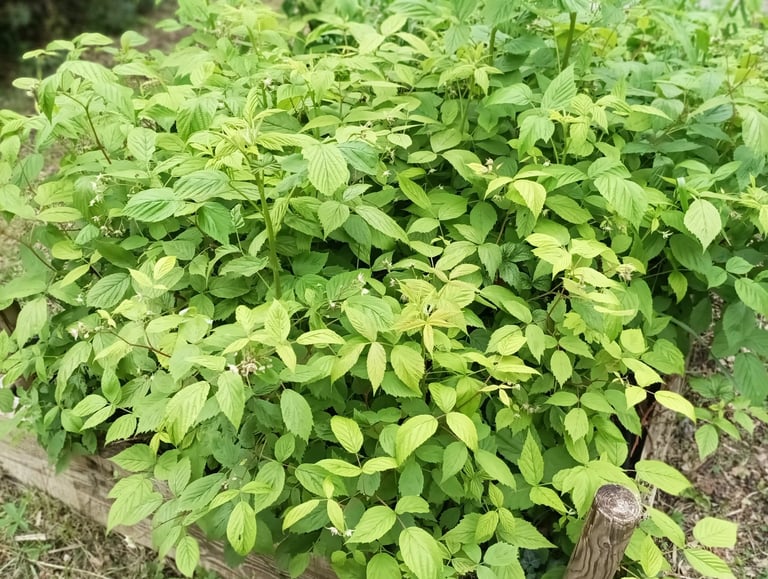
For breakfast , we regularly enjoy fruit salad . All winter long, many of the fruits that I have purchased have been flown in from afar, such as oranges, pineapples and bananas. Now at last we can enjoy some of our own harvest. The very earliest strawberries are almost ripe enough to pick, although our raspberry canes still have a long way to go.
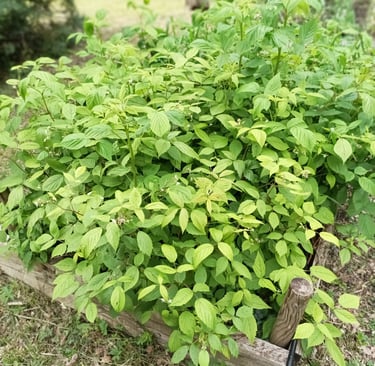
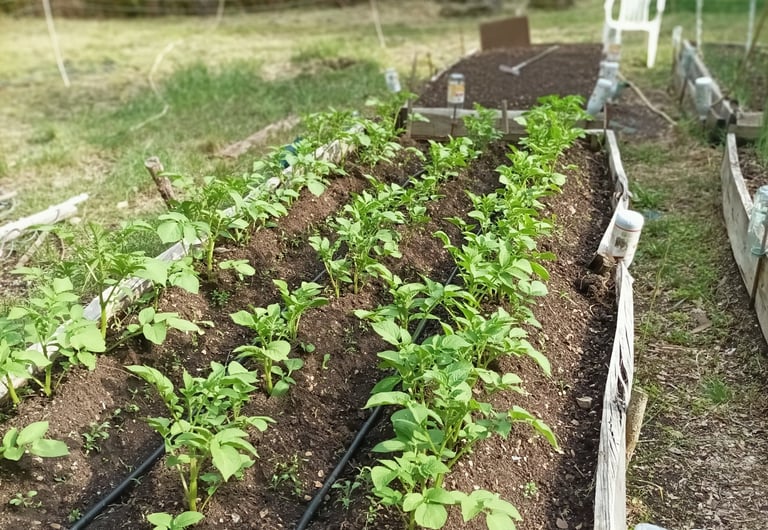
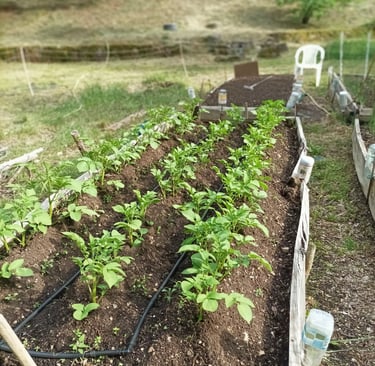
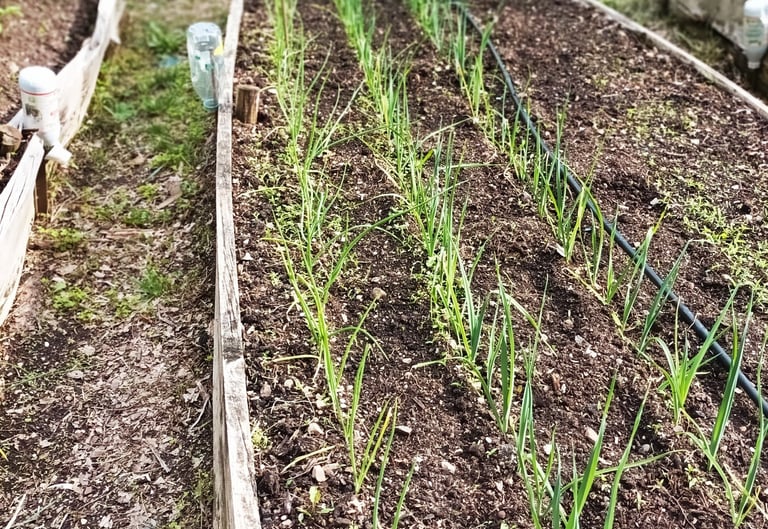
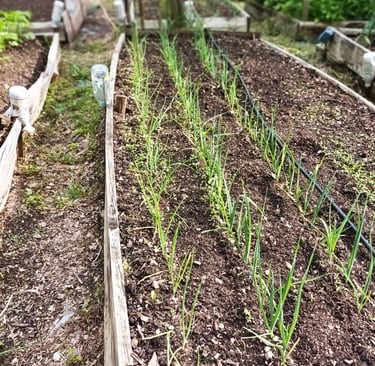
Meanwhile, other crops are growing slowly to tide us over the winter months. Here are a few of them.