As Busy as Bees
The World of Bees
Joan
3/24/20263 min read
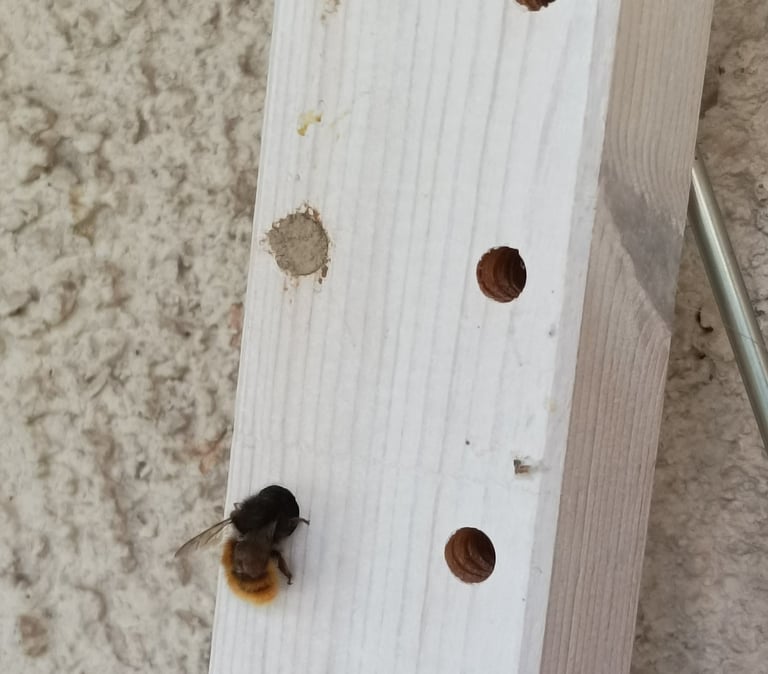
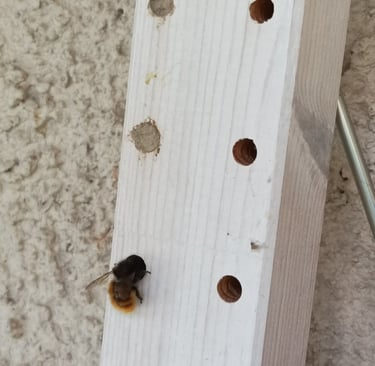
Spring sunshine has arrived at last and with it have come myriads of bees. I hear them buzzing as I leave the house Occasionally they fly into the conservatory and we need to help them find an escape. These are the small masonry bees that I have reported on in a previous blog. They seek out tiny holes in which to lay their eggs and then stuff them with pollen . The outdoor Ikea wooden shelving unit on which we store garden materials suits them just fine with its regular rows of tiny pegholes.
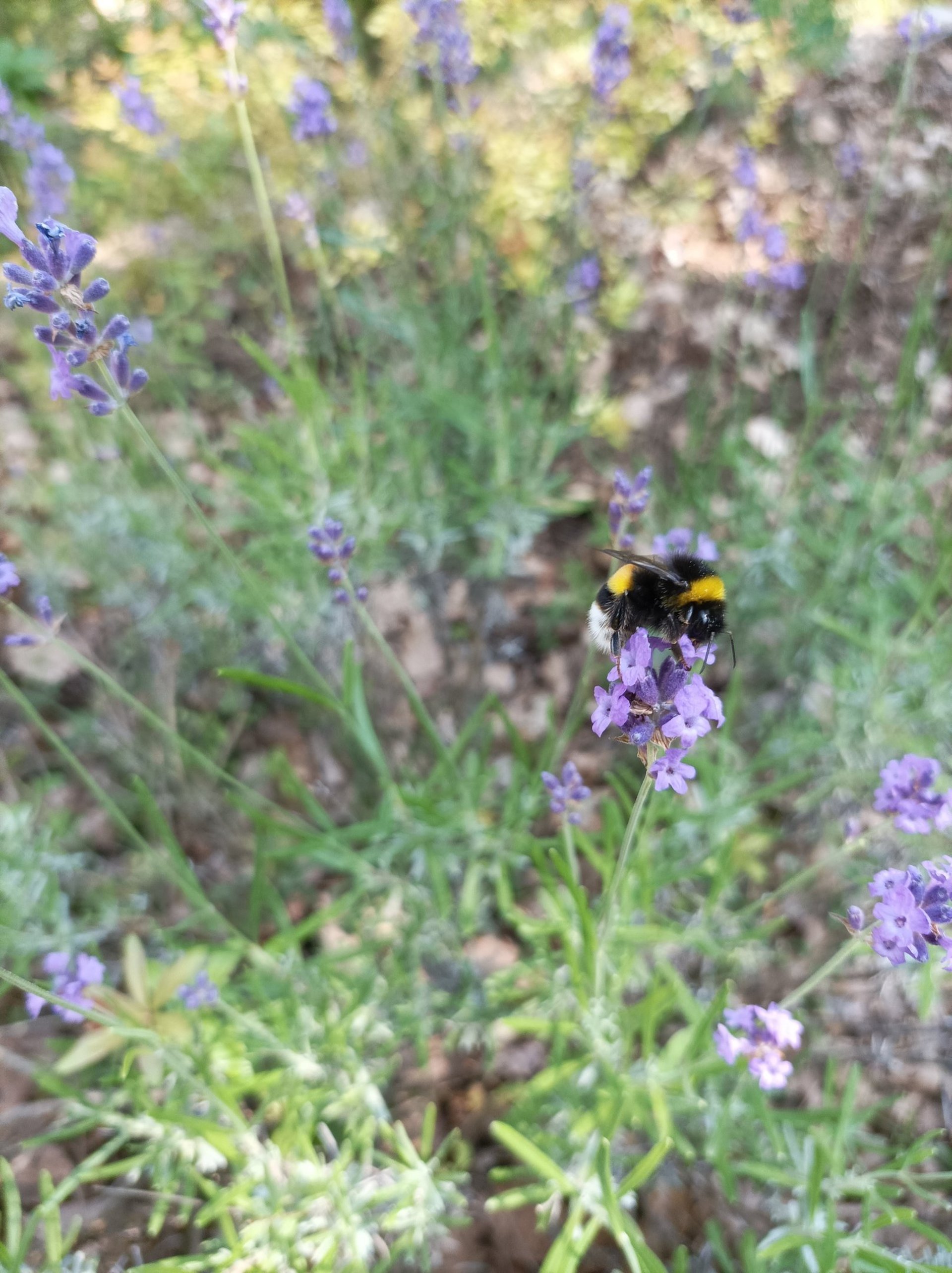
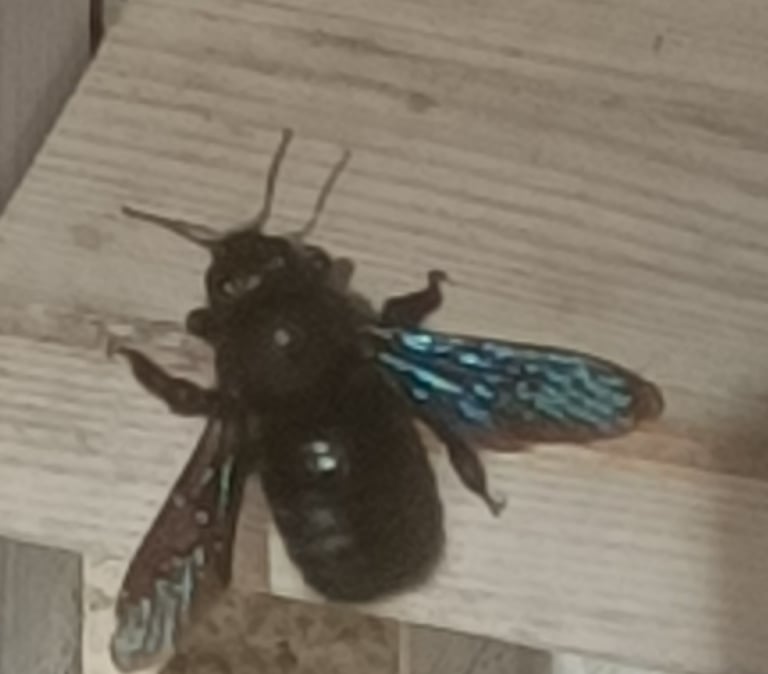
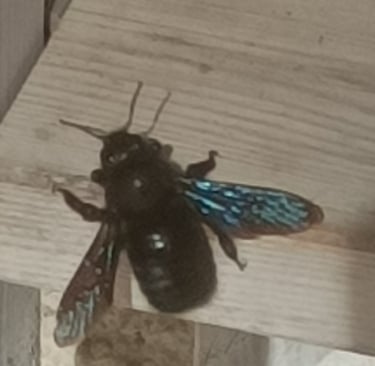
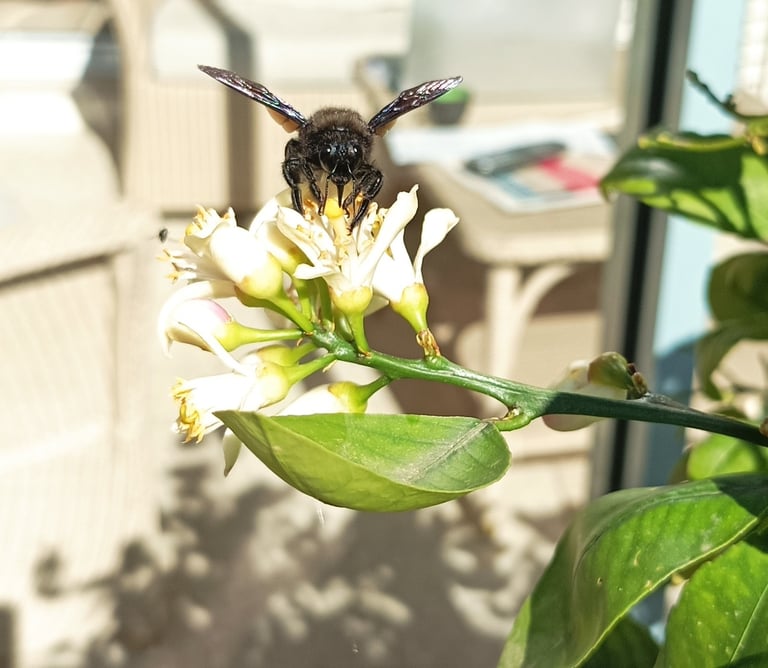
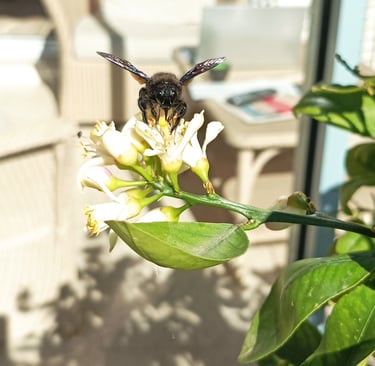
The Masonry bees have been joined at this time of the year by the carpenter bees. I once thought of bees as being solely yellow and black in colour. Then, In France I discovered the beautiful Carpenter bee with its black hairless abdomen and blue sheen . Only the female possesses a sting, and even then she is rarely aggressive. Carpenter bees are not always welcome however, for the can damage such things as the eaves of houses, and wooden shutters , when they bore holes in which to lay their eggs. But no one can deny their dark beauty as they buzz busily around our white clematis flowers, and the blossom on our lemon tree.
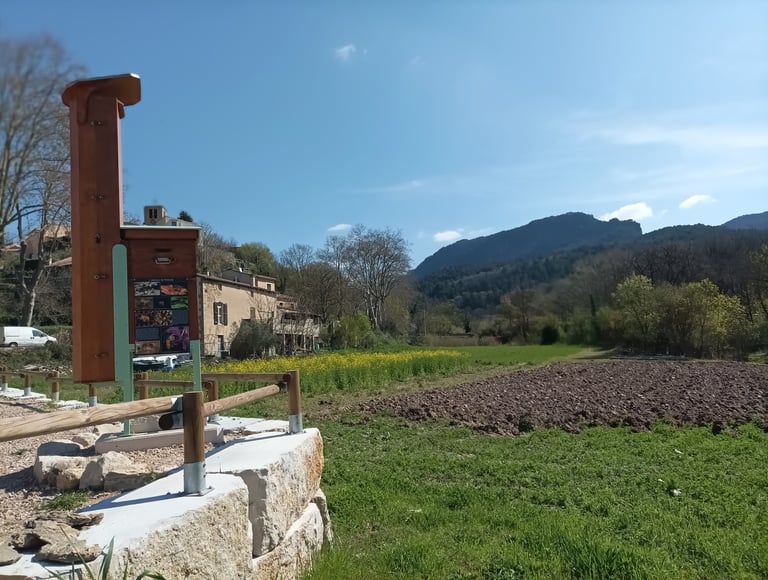
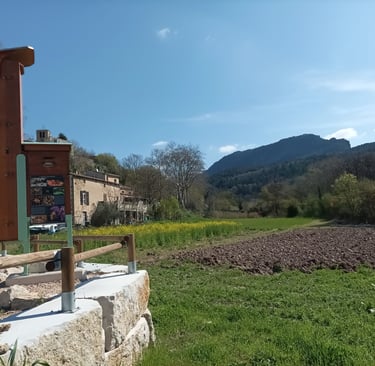
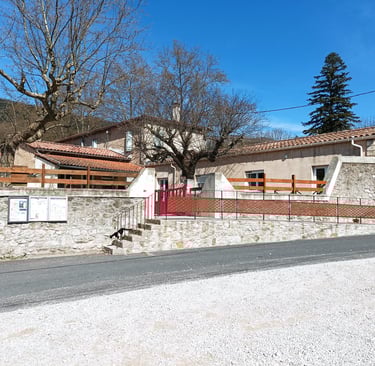
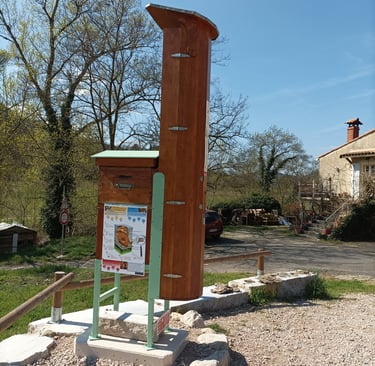
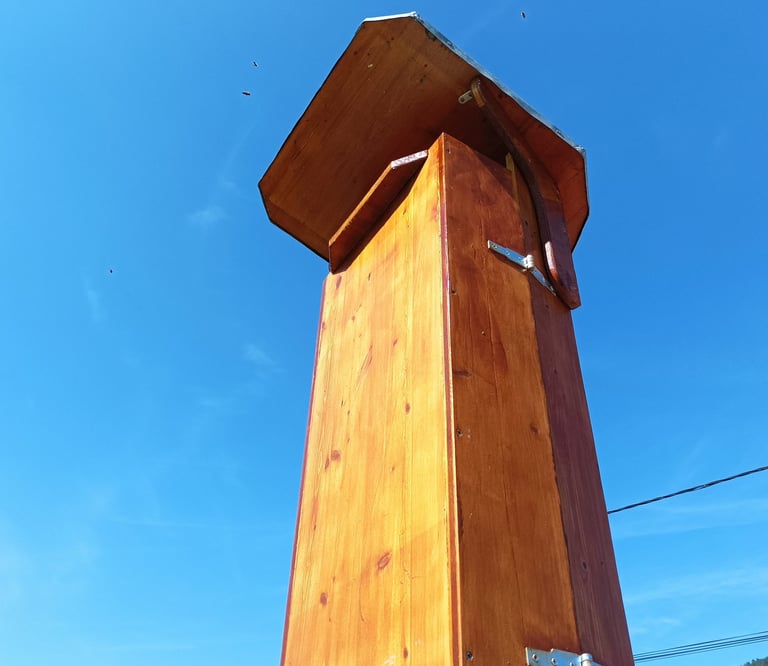
Two weeks ago, we heard some interesting village news. A very special bee hive has been constructed just outside our village school. Known as a 'rûche pedagogique'( educational hive) or ''rûche de sauvegarde,' (conservation hive) this will not only attract more bees to pollinate our gardens, but it will educate us too. Already, the colony is well developed and harvesting nectar. Thanks to the recent abundant rainfall it should be an excellent season. This rûche consists of a tall tower through which one can see bees flying in and out. This is attached to a more familiar type hive.
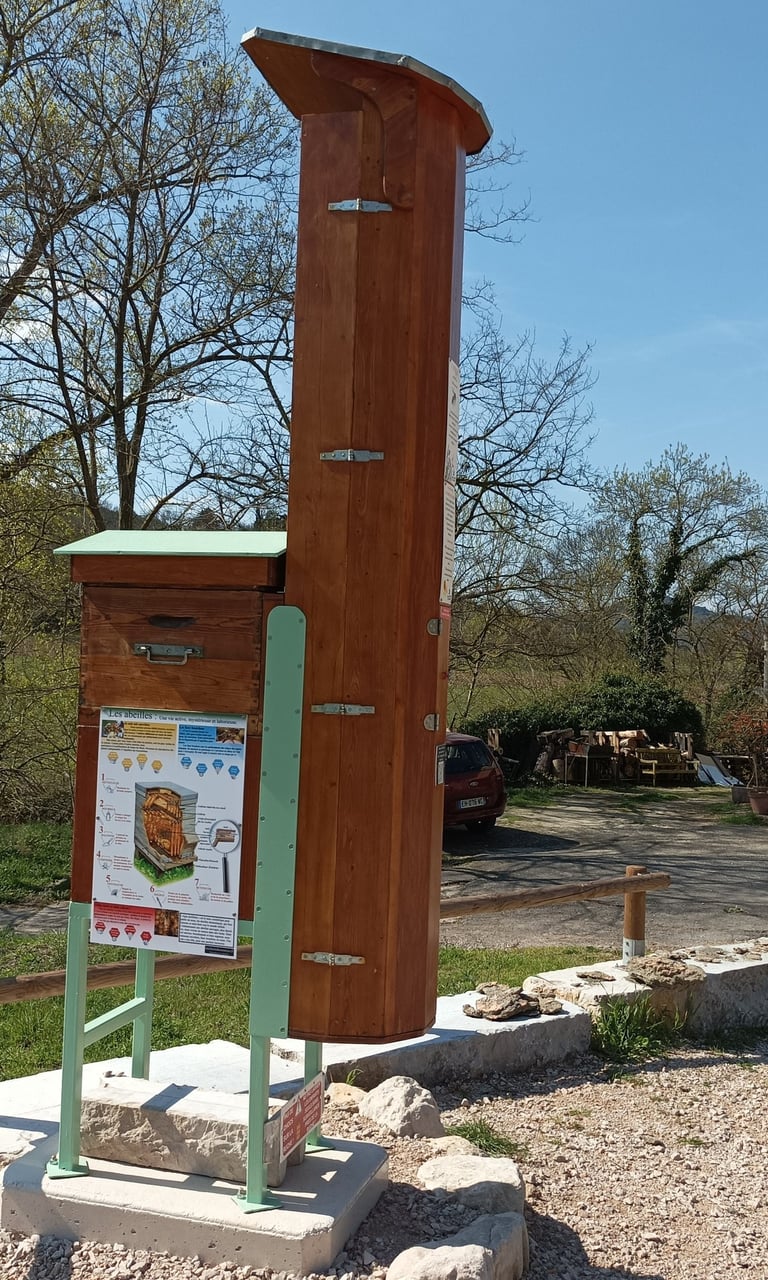

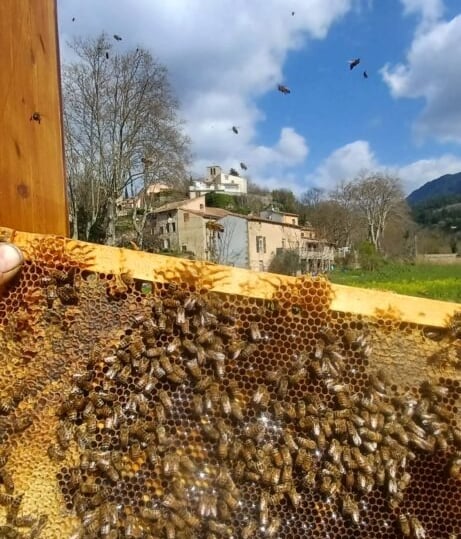
Information is posted all around the hive, bringing facts to young and old alike. Here are some things that I have learned.
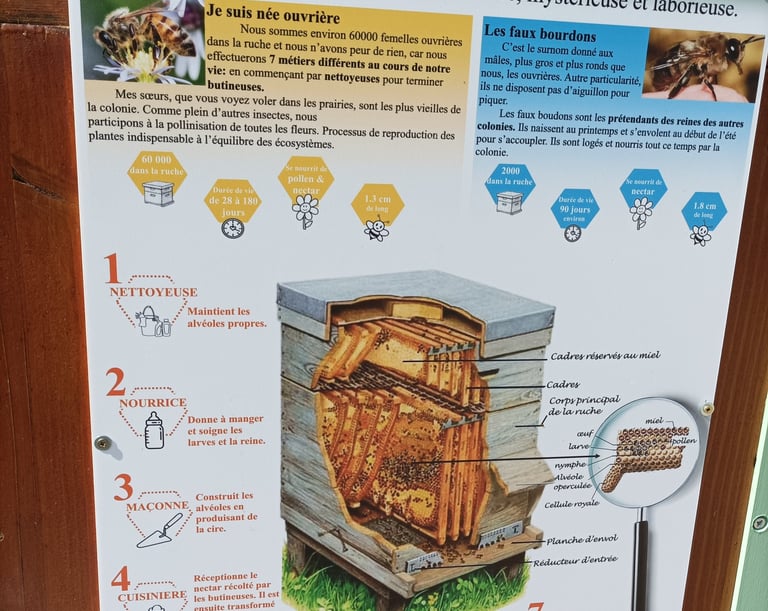
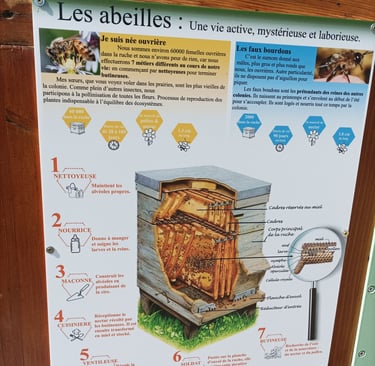
There are over 6O, 000 female worker bees in this colony. They are 1.3 cm long and feed on pollen and nectar.
There are only 2,00 male bees. These are known as faux bourdons (false bumblebees) They are 1.8 cm. long and act as suitors of queens from other hives.
It is the oldest worker bees that you will see out and about ,foraging in the community.
Each colony has only one queen. She survives much longer than the other bees (3-5 years) lives on royal jelly and can lay more than her own weight in eggs in one day. All her needs are met by the worker bees.
80% of the world's plants are pollinated by insects. 90% of all pollinators are bees.
Here is a picture of what it is like inside the hive.
Three cheers for all bees. Your work is vital . And three cheers for our little village of St Etienne de Gourgas for playing your part in spreading this message.